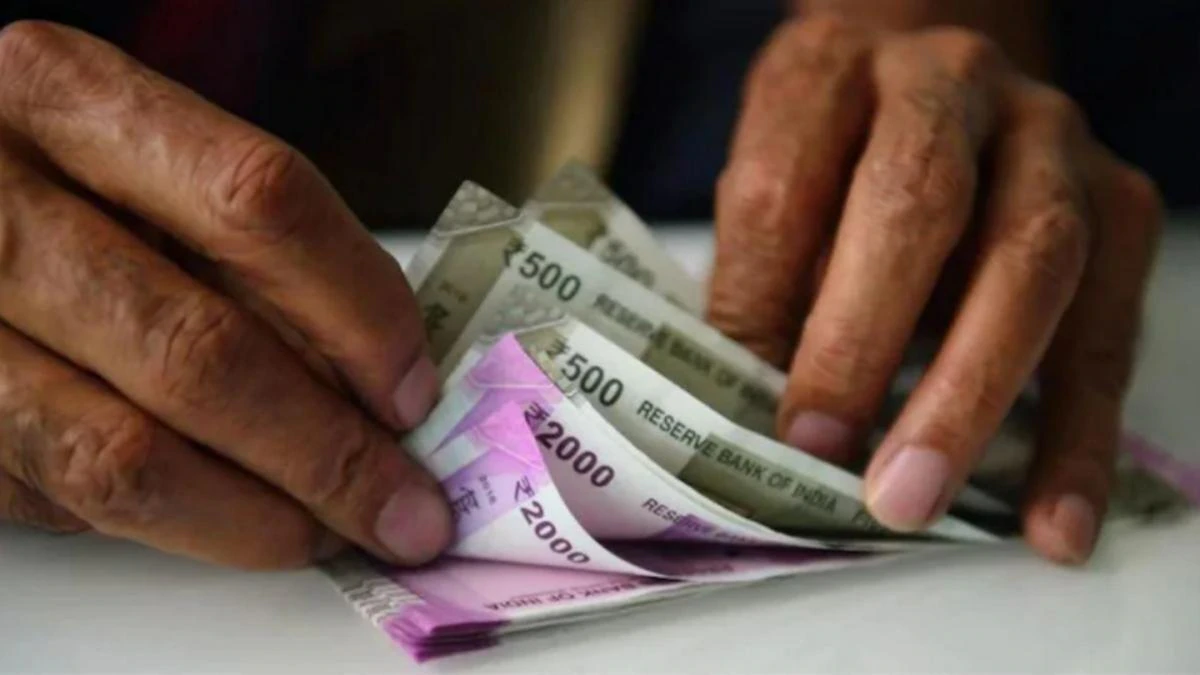
As the 8th Central Pay Commission (8th CPC) officially advances past its regional stakeholder consultations—most notably wrapping up its comprehensive two-day tour in Mumbai—the broader economic implications of the upcoming salary revisions are taking center stage. Heading toward its mandated May 2027 report submission deadline, financial institutions, labor federations, and over 1.1 crore central government employees and pensioners are analyzing how structural changes to basic pay and allowances will redefine public sector remuneration for the next decade.
1. Comprehensive Breakdown of the Mumbai Regional Consultations
The high-profile delegation meetings held in Mumbai brought together critical regional stakeholders, including Western Railway staff unions, port trust administrators, defense civilian associations, and banking sector employee federations.
- The Civil OROP Push: One of the most prominent topics raised by pensioner councils during the Western zone discussions was the formal demand to implement a Civilian One Rank One Pension (OROP) architecture. Retired personnel argued that widening financial gaps between older retirees and fresh government superannuates require an automated parity mechanism.
- Family Unit Re-calibration: Employee unions strongly emphasized the need to transition the core wage-calculation base from a traditional 3-unit family model to a 5-unit model. By incorporating dependent parents into the minimum wage equation, unions aim to justify higher floor-level basic pay recommendations.
- Working Conditions & Allowances: Railway operational staff, particularly loco pilots and technical maintenance crews, submitted granular data regarding hazardous duty allowances, running room infrastructure, and standardized overtime compensation.
2. Long-Term Financial Impact: How Basic Pay Shapes a 20-Year Career
Financial analysts have increasingly focused on how a higher foundational basic pay cascades across an employee’s entire professional lifecycle. Because core elements like Dearness Allowance (DA), House Rent Allowance (HRA), and retirement benefits are dynamically anchored to the base matrix, minor adjustments to the starting multiplier compound significantly over time.
| Career Component | Under Conservative Estimates (1.92x) | Under Union Demands (3.833x) |
|---|---|---|
| Initial Level 1 Basic Pay | ₹34,560 / month | ₹68,994 / month |
| Base DA Integration Effect | Scaled incrementally per DA merger | High baseline compounding factor |
| Retiring Basic (After 20–30 Years) | Moderate growth trajectory | Substantially elevated terminal base |
| Terminal Gratuity & Leave Encash | Calculated on conservative last pay | Maximized via peak basic pay scale |
| Monthly Pension Baseline | Moderate post-retirement security | High-tier pension & DR protection |
3. Macroeconomic Analysis: The FY28 Consumption and Arrears Outlook
Recent market intelligence reports from top financial advisory firms (such as Jefferies) have highlighted the 8th Pay Commission as a major catalyst for India’s macroeconomic landscape in FY28.
- Consumption Stimulus: Historically, the implementation of Pay Commission recommendations infuses massive liquidity into retail, automobile, real estate, and financial services sectors via retroactive lump-sum arrears and immediate monthly disposable income hikes.
- Effective Date vs. Disbursal Lag: While the structural reference framework targets January 1, 2026, market consensus points toward formal Cabinet clearance and final cash disbursements occurring deeper into late 2027 or 2028. This creates an anticipated “arrears accumulation window” that will likely trigger a massive surge in discretionary consumer spending upon release.
4. Current Status Matrix of Pay Scale & Allowance Factors
To keep readers informed with absolute clarity, here is the current status of key variables as of late October 2026:
| Parameter / Metric | Current Status (7th CPC / Interim) | Projected / Demanded Framework (8th CPC) |
| Active Dearness Allowance (DA) | 60% (Effective January 1, 2026) | Projected to absorb or merge upon final notification |
| Fitment Factor Multiplier | 2.57x (Set by 7th CPC) | Union demands range from 3.83x to 4.00x; Expert models project 1.92x to 2.85x |
| Level 1 Minimum Basic Salary | ₹18,000 / month | Demanded: ₹68,994+ / month; Estimates: ₹34,560–₹46,260 |
| Official Commission Mandate | Active consultation phase | Final Report Due: May 2027 (18-month tenure) |
Frequently Asked Questions (FAQs)
1. What are the key takeaways from the recent Mumbai consultation sessions?
The Mumbai sessions focused heavily on civil OROP frameworks, expanding family unit metrics to 5 units for wage calculations, and resolving localized grievances for railway and public sector workers.
2. Has the government confirmed the 3.833x fitment factor?
No. The 3.833x multiplier and corresponding figures (such as ₹68,994 for Level 1) represent formal representations submitted by the Staff Side (NC-JCM). The Commission has not yet finalized or released its official pay matrix recommendations.
3. How will retroactive arrears affect central government employees?
Once the Union Cabinet approves the final report in mid-2027, revised pay structures will be applied retroactively from the reference date of January 1, 2026, resulting in a lump-sum arrear payout covering the intervening months.
Stay tuned to 8thpay.com as we continue tracking upcoming regional consultations, Ministry-level data aggregation under CGEGIS, and official government circulars.